



Step 9: Settling in Sweden
Settling in is about more than starting a new job – it’s about feeling at home.
Finding your routines, making friends and feeling part of your community all help you settle in. This guide brings together advice on everyday life in Sweden – from healthcare and practical matters in your home to meeting people and adjusting to the Swedish seasons.
Learning some Swedish
Most people in Sweden speak English well, but learning some Swedish can make everyday interactions easier.
Once you arrive in Sweden, you can study Swedish through Swedish for Immigrants (SFI), a tax-funded programme provided by municipalities. You can also join local language cafés or start with a few basic phrases.
Read more in this guide to learning Swedish.
Building a social life and community
Settling into a new place is easier when you start building connections. There are several ways to connect, whether at work, in your neighbourhood or through shared interests.
Many teams have lunch together or take short coffee breaks (called fika). Joining a colleague for a quick break is an easy way to start getting to know people and settle into your new workplace.
Several cities have welcome centres or international houses that offer introductions to local networks, practical information and social activities for newcomers. Many also provide support or activities for accompanying partners, helping them find their place too.
Sweden has a long tradition of community clubs and associations, and most places have local sports clubs and activity groups for outdoor life, music or creative hobbies. Your municipality’s website is often a good place to start when exploring what is available in your area.
Libraries and cultural centres host language cafés, workshops and groups based on shared interests – an easy way to meet people who share your hobbies.
Many towns and neighbourhoods also have local online groups where people share events and tips about what’s happening in the area.
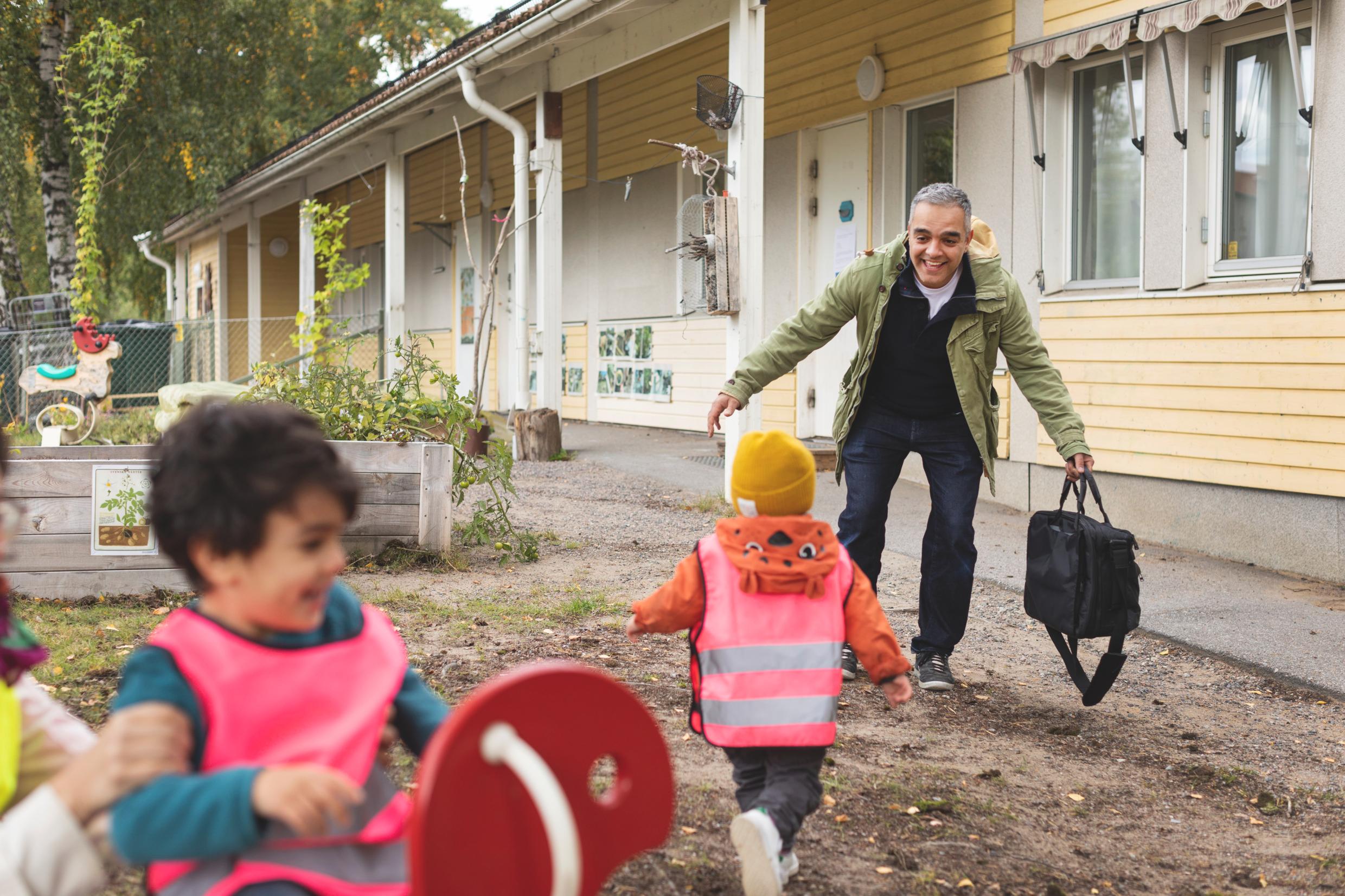
Many communities offer activities that help children make friends and feel at home. Common options include:
- Sports clubs: Football, gymnastics, swimming, dance and martial arts.
- Arts and music schools (kulturskolor): Lessons in music, dance, drama or visual arts.
- Outdoor and scouting groups: Nature-based activities and group play.
- Libraries: Storytelling, creative workshops and reading groups.
- Open preschools: Drop-in play sessions for families with young children.
Check your municipality’s website for local clubs and activities. Preschool or school staff can also guide you to options that are popular in your area.
Important healthcare contacts
- Call 1177 for medical advice. A nurse can advise you on symptoms, care at home and where to seek further help. Visit 1177.se online for reliable information about healthcare.
- Call 112 in urgent or life-threatening situations when you need immediate assistance from ambulance, police or fire services.
Finding your local health centre
Most non-emergency care in Sweden starts at a local health centre (called vårdcentral). This is where you book appointments, receive medical advice and, when needed, get referrals to specialist care.
1177.se is Sweden’s national service for healthcare information and guidance. There you can find health centres in your area and choose where to register.
You usually register through the regional healthcare system, often via 1177.se once you have a personal identity number. If you do not have one yet, care is still available, but access to some digital services may be limited.









Healthcare costs in Sweden
Healthcare is partly publicly funded, and adults pay a fee for most visits. Fees vary by region, and there is an annual limit after which you do not pay further fees. Children and teenagers receive care at no cost.
Getting around your new area
Public transport is widely used in Sweden, where towns and cities are shaped to support sustainable ways of getting around. Depending on where you live, this includes buses, trams, local trains and the metro. You plan journeys and buy tickets through your regional transport app or service.
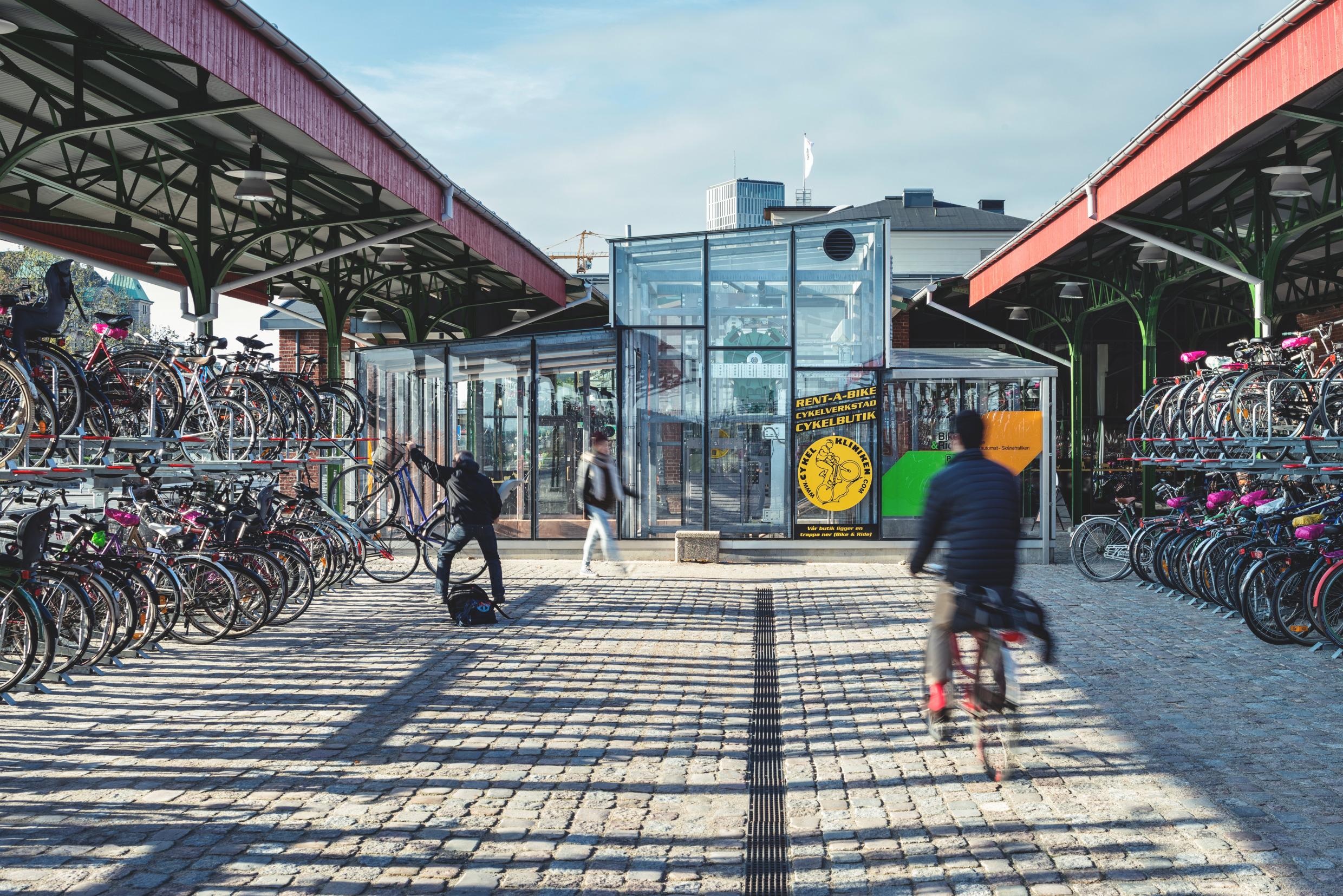
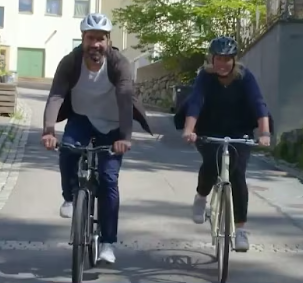
Cycling is common in Sweden. With designated bike lanes, distances in towns and cities are generally short enough to make cycling a convenient option.
Public transport operates in most weather conditions, including winter. In winter, bike lanes are cleared to help keep routes accessible for those who cycle year-round.
Practical arrangements at home
When you move in, a few practical steps will help get life at home up and running. Make sure you arrange the following:
If you rent your home, your contract may already include electricity. If not, you choose a supplier yourself. Your landlord or housing association can tell you what applies in your building.
Broadband is widely available, and in many apartments the rent already includes it or the building has it pre-installed. If you need to set up your own connection, your landlord or housing association can tell you which providers operate in your area.
Postal codes in Sweden follow a simple five-digit format and are linked to your street address. When you move in, make sure your name is on your mailbox and/or door so that postal services can deliver letters and parcels correctly.
A smart first move is to make sure you cover your belongings and liability. You can compare policies through the major insurance companies.
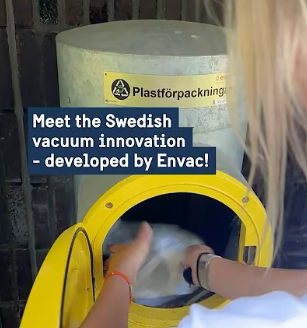
Recycling matters in Sweden, and you’ll find sorting stations or shared recycling rooms wherever you live. Your municipality provides guidance on how to sort household waste.
Childcare and school
If you are moving with children, childcare (förskola) and compulsory school (grundskola) are available in all municipalities. Only childcare has fees, and schools are publicly funded. You can read more about childcare and schools in this guide.
Weather in Sweden
Many people wonder how dark or cold Swedish winters might feel. The season does bring shorter days and lower temperatures, but life goes on much as usual.
Dressing in layers and having a warm coat will make it more comfortable to spend time outdoors. Indoors, homes and public buildings stay well heated, so everyday life generally remains comfortable despite the cold outside.
As spring arrives, daylight increases quickly and summer brings long, bright days with warmer temperatures.
Driving licences
If you plan to drive in Sweden, start by checking whether your current licence is valid in Sweden.
You can use an EU or EEA licence without a time limit as long as it remains valid. You can use a licence from a country outside the EU/EEA for up to one year after you move. After that, you need a Swedish licence.
The Swedish Transport Agency (Transportstyrelsen) explains how the rules apply and what you need to know if you need to take the theory test and driving test in Sweden.