

How to apply for childcare and school in Sweden
Moving to Sweden with children? Here’s what you need to do to arrange a preschool or school place.
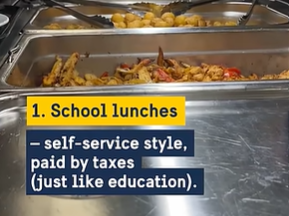
In Sweden, both municipal and independent schools are tax-funded. International schools are available in several regions and may charge fees.
EU/EEA and non-EU differences
How early you can submit your child’s details and when they can start depends on whether you are an EU/EEA citizen or moving on a work permit.
You can apply for childcare or school once you know which municipality you will live in. Children can start after your family has arrived in Sweden.
Your child can start preschool or school once your family has received its work permits and you have relocated to Sweden. Some municipalities allow you to register interest in advance, but they offer places only after you have moved.
How and when places are offered
- When applying for preschool, you list the schools you prefer. Your municipality will offer a place once your family has moved to Sweden. Preschool involves an income-based fee.
- For school, once you have submitted your child’s details, the municipality will offer a school place, and your child can start after your family has arrived.
How placements work and when to apply
You arrange childcare and school places through your municipality. Routines vary, so the exact steps may differ slightly depending on where you live.
Once you know which municipality you will live in, you can begin preparing. Here’s how to get started:
- Find your municipality's website to read about childcare and school options in your area.
- Review local routines and timelines, as each municipality sets its own rules for applications and start dates.
- Submit your child’s details through the municipality’s online service. To log in, you usually need Swedish digital identification, such as BankID or Freja eID+. If you cannot log in yet, the municipality can provide information on alternative ways to apply, by email or post.
How to apply to an international school
For international schools, you apply directly to the school. Admission routines, priority rules and waiting times vary depending on the school and the curriculum it follows.
Language support in preschool and school
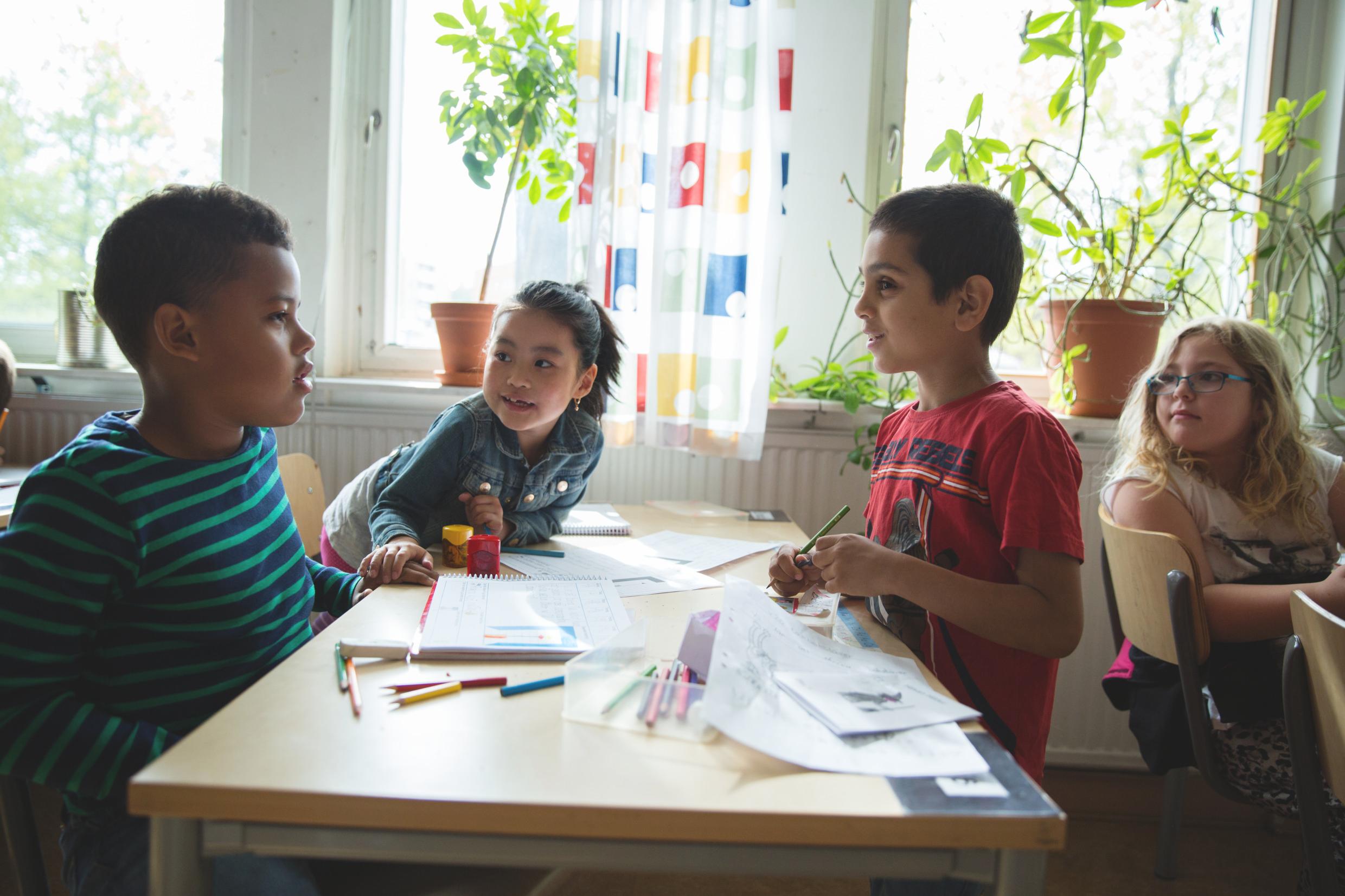
Children can start preschool or school soon after arrival, even if they do not speak Swedish yet. Schools provide language support based on each child’s needs. This may include Swedish lessons or extra guidance in the classroom to help them follow lessons.
International schools are also available in several regions if you prefer education in English.